



Let’s get started!!
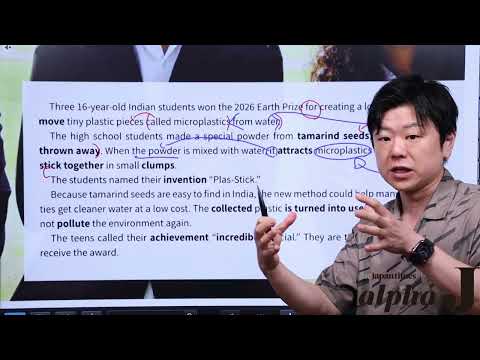
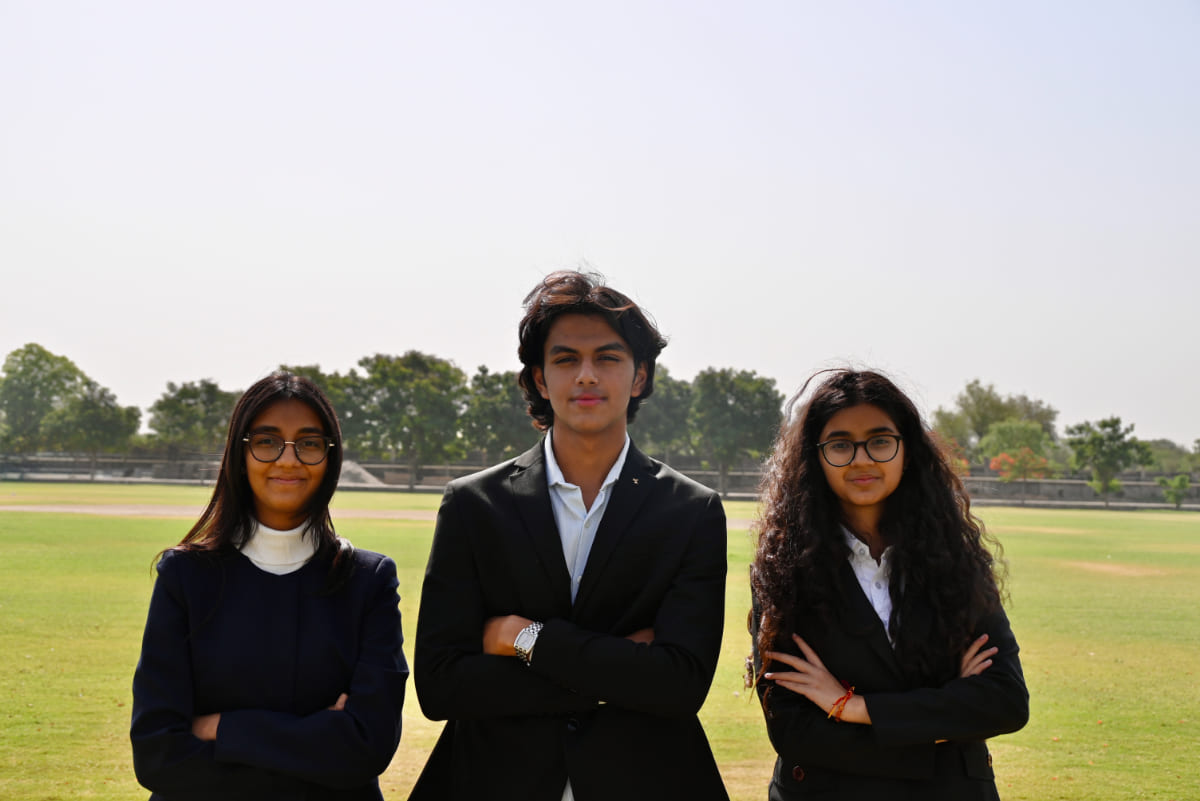
Three 16-year-old Indian students won the 2026 Earth Prize for creating a low-cost way to remove tiny plastic pieces called microplastics from water.
The high school students made a special powder from tamarind seeds, which are often thrown away. When the powder is mixed with water, it attracts microplastics and makes them stick together in small clumps.
The students named their invention “Plas-Stick.”
Because tamarind seeds are easy to find in India, the new method could help many communities get cleaner water at a low cost. The collected plastic is turned into useful items so it does not pollute the environment again.
The teens called their achievement “incredibly special.” They are the first Indian team to receive the award.
インドの16歳の高校生3人が、水中のマイクロプラスチックを低コストで除去する方法を開発し、2026年のアース・プライズを受賞した。 彼らは、通常は捨てられてしまうタマリンドの種から特殊な粉末を作り出した。この粉末を水に混ぜると、マイクロプラスチックを引き寄せ、それらを小さな塊となるようにくっつけることができるという。 生徒たちはこの発明を「Plas-Stick(プラス・スティック)」と名付けた。 タマリンドの種はインドで容易に手に入るため、この新しい方法は多くの地域で低コストの水質浄化に役立つ可能性がある。また、回収されたプラスチックは有用な製品に再利用されるため、再び環境を汚染することもない。 生徒たちは、この成果について「信じられないほど特別なこと」だと語った。インドのチームがこの賞を受賞するのは初めてである。
【p. 1 Top news】
本文のmade a special powder from tamarind seeds, which are often thrown away は「タマリンドの種(それらはしばしば捨てられる)から特別な粉末を作った」ということ。ここで使われているthrow awayは「~を捨てる」という意味で幅広く使われる。同様の意味を表すdiscard(throw awayよりフォーマルな動詞)、dump(特に大きなものや量の多いものを、無造作にドサッと捨てるという文脈で使うことが多い)、litter(ごみをポイ捨てするというニュアンスが強い)などとの違いを押さえて、適切な語を使えるようになろう。
◆Don’t throw away those receipts.
(そのレシートを捨てないで)