Studying the law sounds difficult. And children and teens don’t really need to think about the law, right? Not quite. The law affects everybody, including young children. It’s never too early to learn how to think about rules and rights.
“At 18, you can vote and make contracts on your own,” says Aki Harie, a lawyer with the Daini Tokyo Bar Association. “You must make more choices for yourself, so it is important to know your rights and to learn how to think about the law.”
Harie also teaches at Junior Law School, a program for children and teens run by the Daini Tokyo Bar Association. The program is held in the spring and summer. It helps students think about the law. Children from fifth grade to the last year of high school can join, depending on the program. Each year, more children apply than the program can accept.
What happens there? “There are mock trials and activities where participants make rules,” Harie explains. “At lunch, participants and lawyers eat and talk together.”
The aim is to foster “legal thinking”: thinking about rights, rules and fairness, not just learning what is in law books. Taro Mizunuma, another lawyer involved in the program, says: “It means thinking for yourself. It also means discussing rules with others and asking why we need them.”
Knowing your rights and thinking about the law can even help change society, the lawyers say. Harie gives an example: “When there were plans to cut down trees in Tokyo’s Jingu Gaien area, high school students spoke out. They used social media and collected signatures. This shows that young people can use their right to speak up and take part in society.”
Lawyer Ryu Onishi explains another important aspect of legal thinking: “We should ask big questions. Why do we have these laws? What rules do we need to solve problems in society? We should not simply tell children to obey the law. We want them to think about why rules exist and how people can better live together.”
Shota Hiratsuka, another lawyer involved in the program, says: “We should first try to solve problems by talking and reaching an agreement. Lawyers also think about what a court might decide. But we try to solve problems through discussion before going to court.”
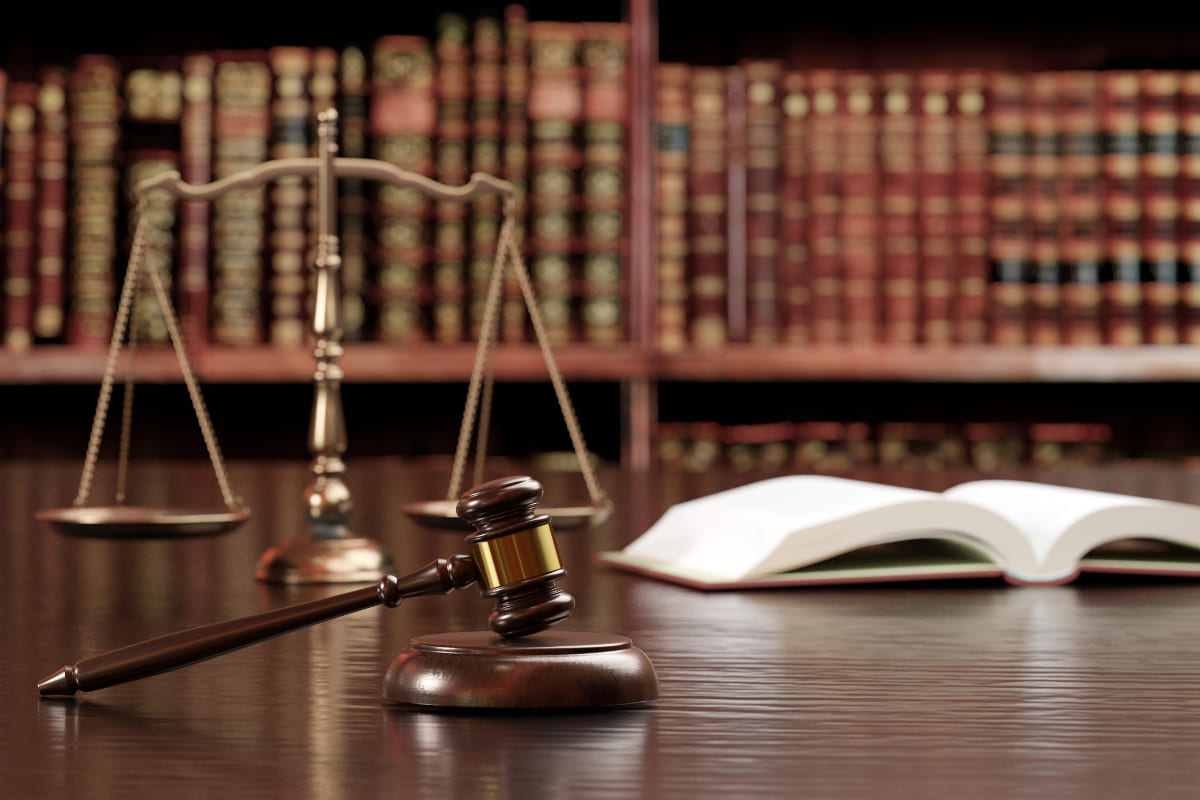
In their different ways, the four lawyers said that fairness is crucial to the law. “Themis, the Greek goddess of justice, holds a pair of scales,” says Hiratsuka. “The scales remind us to think about both sides and find a balance. Even when people do not get along, they need to find ways to live together in society.”
法を学ぶのは難しそうだ。それに、子どもや10代の若者が法について考える必要は、あまりないのではないか? 必ずしもそうではない。法は幼い子どもを含め、誰もが関わるものだ。ルールや権利について考える方法を学ぶのに、早すぎることはない。
「18歳になると、投票したり、自分自身で契約を結んだりできるようになります」と、第二東京弁護士会の弁護士、張江亜希さんは話す。「自分で選択しなければならないことが増えるため、自分の権利を知り、法について考える方法を学ぶことが大切です」。
張江さんは、第二東京弁護士会が子どもや10代の若者を対象に開催している「ジュニアロースクール」でも講師を務めている。このプログラムは春と夏に開催され、参加者(児童・生徒)が法について考えることを支援している。プログラムによって異なるが、小学5年生から高校3年生までが参加できる。毎年、定員を上回る応募があるという。
では、ジュニアロースクールではどのようなことをするのだろうか。「模擬裁判や、参加者自身がルールを作る活動があります」と張江さんは説明する。「昼食の時間には、参加者と弁護士が一緒に食事をしながら話をします」。
目的は、法律書に書かれていることを学ぶだけではなく、権利やルール、公正さについて考える「法的思考力」を養うことだ。同じくプログラムに関わる弁護士の水沼太郎さんは、「自分の頭で考えることです。また、ほかの人とルールについて話し合い、なぜそのルールが必要なのかを考えることでもあります」と話す。
弁護士たちによると、自分の権利を知り、法について考えることは、社会を変えることにもつながるという。張江さんは、次のような例を挙げる。「東京の神宮外苑で樹木を伐採する計画があった際、高校生たちが声を上げました。SNSを使ったり、署名を集めたりしたのです。これは、若者が自分の意見を表明する権利を行使し、社会に参加できることを示しています」。
弁護士の大西龍さんは、法的思考力のもう一つの重要な側面について説明する。「根本的な問いを投げかけるべきです。なぜこうした法律があるのでしょうか。社会の問題を解決するためには、どのようなルールが必要なのでしょうか。子どもたちに、単に法律を守りなさいと言うだけではいけません。なぜルールが存在するのか、人々がよりよく共に生きるにはどうすればよいのかを考えてほしいのです」。
同じくプログラムに関わる弁護士の平塚翔太さんは、「まずは話し合い、合意に至ることで問題を解決するよう努めるべきです」と話す。「弁護士は、裁判所がどのような判断を下すかについても考えます。しかし、裁判に進む前に、話し合いによって問題を解決しようとするのです」。
4人の弁護士は、それぞれの言葉で、法において「公正さ」が重要であることを語った。「ギリシャ神話の正義の女神テミスは、天秤を持っています」と平塚さんは話す。「天秤は、双方の立場について考え、衡量することを思い起こさせます。人々が仲良くできないときでも、社会の中で共に生きる方法を見つけなければならないのです」。




 ~のように思われる