Let’s get started!!
Climate change worries many people. That’s because we live in an age where global weather changes influence global health and the economy. Summers are getting hotter and hotter. In some areas, water reserves are drying up. In other areas, there’s too much rain. Crops often fail and people go hungry.
In Japan, heatstroke has become a word to describe summer. The weather also triggers natural disasters like mountain fires, flooding and mudslides.
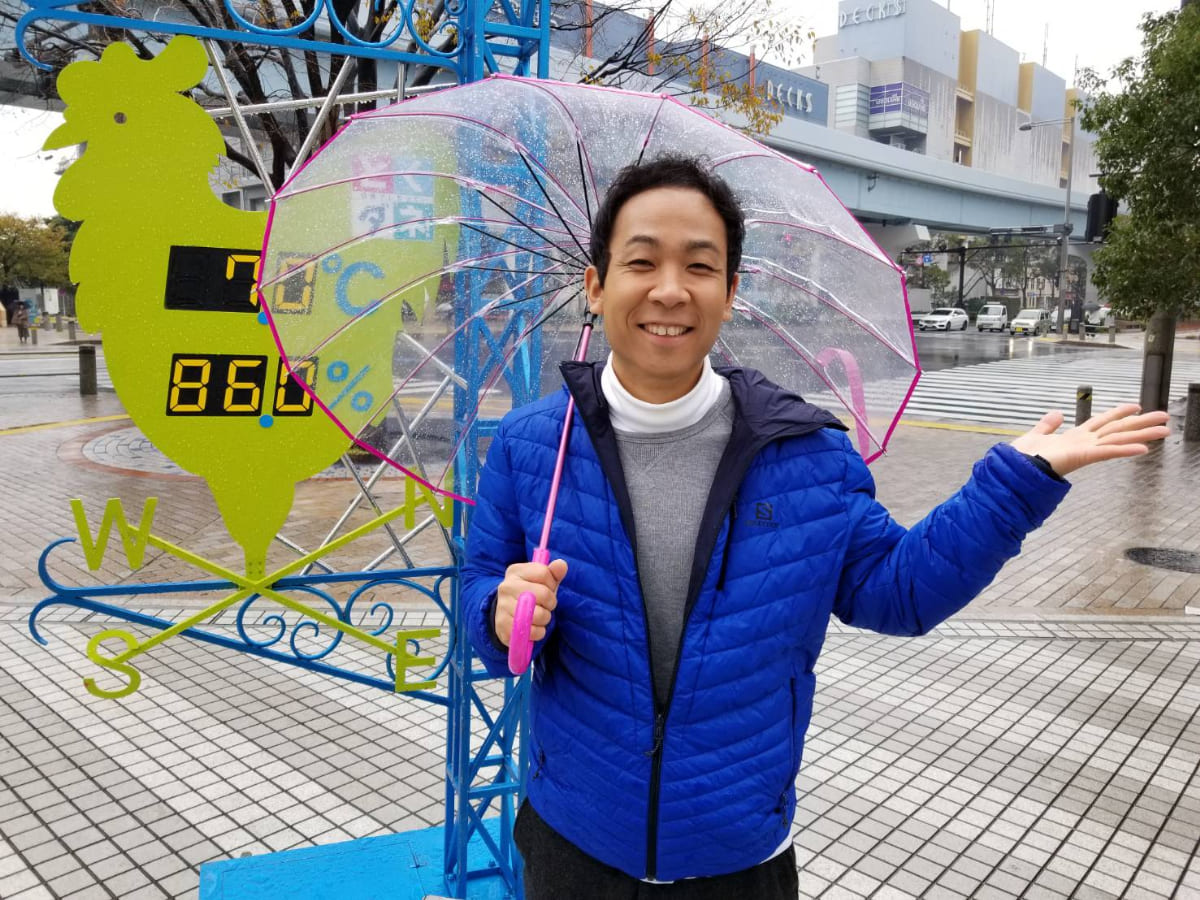
That’s why it’s important to pay attention to the weather report. Takeshi Amatatsu is a weather forecaster and disaster prevention expert who says that being well-informed about the weather can protect you and your family. “Check the weather forecast in the morning,” says Amatatsu. “You may be able to avoid weather-related disasters later in the day.”
This interview was conducted in late May but already the temperature was climbing to 30 degrees Celsius in many parts of Japan. Amatatsu says that in recent years, summers are arriving faster and staying longer. “Right now, it’s not summer yet. But be careful of high temperatures. Your body in May is not ready for summer heat. It’s harder to break into a sweat, which means it will take longer for your body to cool down. And that could lead to heatstroke.”
Amatatsu adds that mornings and nights are cool, making it harder to read the effects of day time temperatures that come later. “It’s a good idea to take sips of water and other fluids throughout the day,” he advises. “Maybe once every hour. That will create a good cycle for your body to retain and release moisture.”
Amatatsu says that children and teens are more likely to get heatstroke. “That’s because many kids are not very tall. Their bodies and heads are closer to the ground. They are more likely to feel hot and tired when spending time in the sun,” says Amatatsu. He recommends that kids and students take breaks often when they are outdoors. “Especially when practicing for sports events,” he says.
“Teachers also, need to be alert to the risks of their pupils being out in the sun too long. Despite the rise in energy costs, it’s good to turn on air conditioning. Using the air conditioner correctly is not the same thing as wasting energy. The air-con could prevent heat-related illnesses.”
What are some of the things we can do to fight climate change? “The best thing is to limit the amount of CO2 in the air. We can start with small actions, like buying and eating local vegetables. Or walking instead of driving or taking transportation. Remember that what’s good for the Earth is also good for our health.”
気候変動は多くの人々を不安にさせている。なぜなら、私たちは世界の気象の変化が、人々の健康や経済に影響を及ぼす時代に生きているからだ。夏はますます暑くなり、一部の地域では水資源が枯渇しつつある。一方で、雨が降りすぎる地域もある。農作物が不作となり、飢えに苦しむ人々もいる。 日本では、「熱中症」が夏を象徴する言葉の一つになっている。また、気象は山火事や洪水、土砂災害といった自然災害を引き起こす要因にもなっている。 だからこそ、天気予報に注意を払うことが重要だ。気象予報士で防災士の天達武史さんは、天気について十分な情報を得ておくことが、自分や家族を守ることにつながると話す。 「朝に天気予報を確認してください。そうすれば、その日の後半に起こるかもしれない気象災害を避けられるかもしれません」 この取材が行なわれたのは5月下旬だったが、すでに日本各地で気温が30度に達しようとしていた。天達さんは、近年は夏の訪れが早まり、長く続くようになっていると指摘する。 「今はまだ夏ではありません。しかし、高温には注意してください。5月の体はまだ夏の暑さに慣れていません。汗をかき始めるまでに時間がかかるため、体を冷やすのにも時間がかかります。そして、それが熱中症につながる可能性があります」 また、朝晩は涼しいため、その後の日中の気温の影響を実感しにくいともいう。 「一日を通して、こまめに水分を取ることをおすすめします。1時間に1回くらいでもいいでしょう。そうすることで、体が水分を保ち、排出するための良いサイクルが生まれます」 天達さんは、子どもや10代の若者は熱中症になりやすいと話す。 「子どもの多くは背がそれほど高くありません。そのため、(大人よりも)体や頭が地面により近い位置にあります。日差しの下で過ごすと、より暑さを感じやすく、疲れやすくなります」 そのため、子どもや生徒は屋外で活動するときに、こまめに休憩を取るべきだという。 「特に運動会の練習をしているときは注意が必要です」 さらに、教員に対しても注意を呼びかけている。 「先生方も、生徒が長時間日差しの下にいる危険性に気を配る必要があります。エネルギー価格が上昇しているとはいえ、エアコンをつけることは大切です。エアコンを適切に使うことは、エネルギーの無駄遣いとは違います。エアコンは熱による健康被害を防ぐことにつながります」 では、私たちにできる気候変動対策にはどのようなものがあるのだろうか。 「最も大切なのは、大気中のCO₂の量を減らすことです。地元で生産された野菜を買って食べることや、車を運転したり交通機関を利用したりする代わりに歩くことなど、小さなことから始められます。地球に良いことは、私たちの健康にも良いことなのです」