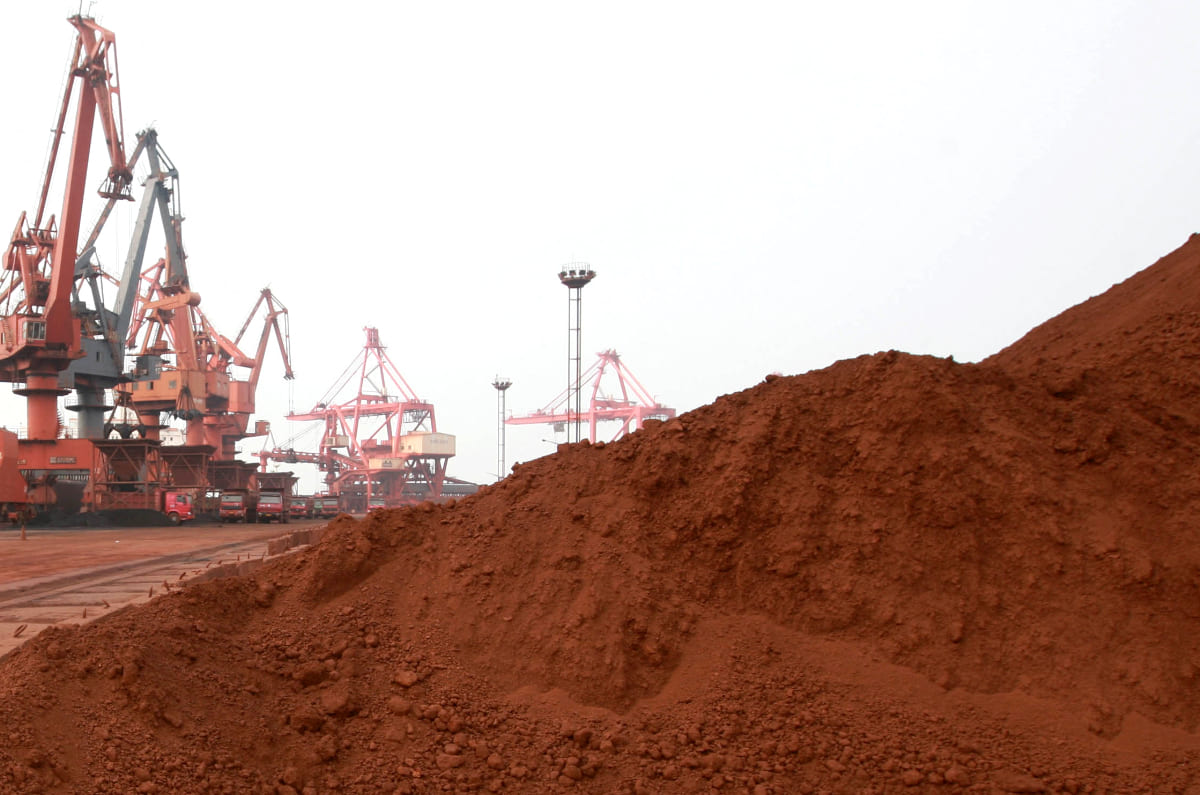
China and Japan are having a serious disagreement. China has reportedly started to limit exports of rare earths and strong magnets to Japanese companies. Rare earths are important materials used in many everyday products, such as cars and electronic parts.
China says the ban is only on “dual-use goods”, which are items that can be used for both civilianpurposes and the military. Chinese officials say civilian companies should not be affected, and that the rules are meant to protect national security.
However, a report says the restrictions may affect many Japanese industries, not just military companies. Tensions grew after Japan’s Prime Minister Sanae Takaichi said Japan might respond if China attacked Taiwan. China says its export controls are legal and that it still supports stable global supply chains.
China and Japan are having a serious disagreement. China has reportedly started to limit exports of rare earths and strong magnets to Japanese companies. Rare earths are important materials used in many everyday products, such as cars and electronic parts.
China says the ban is only on “dual-use goods”, which are items that can be used for both civilian purposes and the military. Chinese officials say civilian companies should not be affected, and that the rules are meant to protect national security.
However, a report says the restrictions may affect many Japanese industries, not just military companies.
Tensions grew after Japan’s Prime Minister Sanae Takaichi said Japan might respond if China attacked Taiwan. China says its export controls are legal and that it still supports stable global supply chains.
本文のused in many everyday productsは「多くの日用品で使われている」ということ。ここで使われているeverydayは「毎日の、日常的な」という意味の形容詞で、everyday product(日用品)の他、everyday life(日常生活)、everyday clothes(普段着)、everyday language(日常的に使う言葉)のように、名詞を修飾する形で使う。「毎日」を意味する副詞のevery dayとは異なり、1語でつづられる点に注意しよう。